Oily skin on the face: symptoms, causes and treatment
Oily skin, also known as seborrheic or greasy skin, is a particular type of skin with highly active sebaceous glands. It is particularly noticeable on the face and forehead. The skin appears thick, shiny, with enlarged pores, blackheads and microcysts, and is often reddened.
What are sebaceous glands?
Sebaceous glands are tiny glands found in the skin. Their function is to produce sebum, a lipid substance that:
- protects the skin
- keeps it soft
However, when sebum production is excessive, the skin takes on a shiny, oily and impure appearance.
What causes oily skin on the face?
Oily skin is caused by a combination of internal and hormonal factors:
- Genetic predisposition
- Hormonal stimulation
- Psychophysical stress
- Hormonal imbalances
Oily skin or combination skin? How to tell the difference
Oily skin has excess sebum all over the face.
Combination skin, on the other hand, has:
- oily T-zone (forehead, nose, chin)
- normal or dry cheeks
In combination skin, sebum production is localised, not widespread.

How to treat oily skin on the face
The most effective treatment is Micropeeling with Glicosal containing low doses of alpha and beta hydroxy acids (glycolic and salicylic), which:
- accelerates skin renewal
- reduces microcysts and blackheads
Skincare routine for oily skin on the face:
- In the evening, moisten a cotton pad with 7–10 drops of Glicosal and massage gently over the entire face with circular movements until completely absorbed.
Do not rinse and do not apply other products. - In the morning, apply Soothing Cream, which absorbs sebum and mattifies the skin thanks to the action of zinc oxide.

CLEANSING
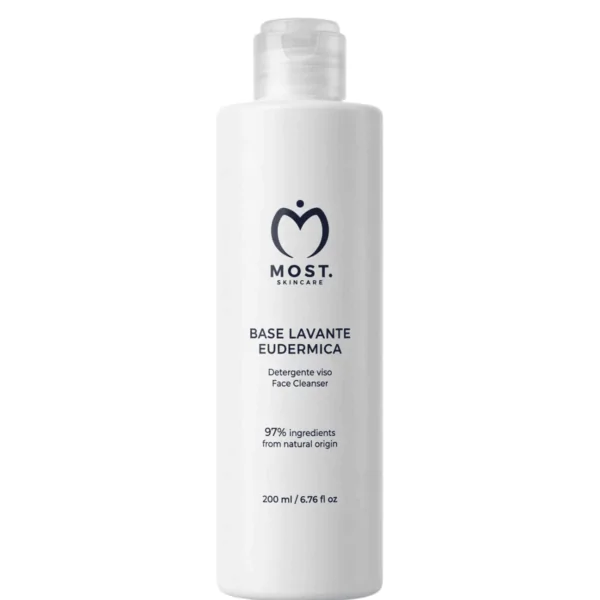
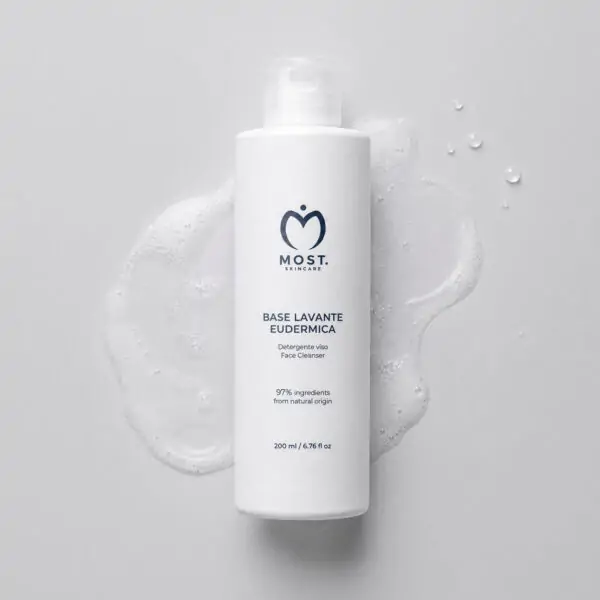
We recommend Eudermic Cleansing Base for washing your face, a gentle, non-foaming cleanser that does not stimulate sebum production.

MAKE-UP
For make-up, we recommend Sun Clay compact mineral powder, which has absorbent properties and helps to mattify the face.

To be avoided
Avoid traditional classic moisturizers or foundation as they can worsen oily skin.
FAQ
Excess sebum should not be ‘removed’, but regulated. The use of controlled micropeeling, gentle cleansers and sebum-absorbing products allows sebum production to be gradually reduced without triggering compensatory reactions.
Diet is not the direct cause, but it can affect the quality of sebum. High-fat diets and ultra-processed foods can promote inflammation and worsen the appearance of the skin.
Yes, there are cosmetic approaches based on natural ingredients that can help improve the appearance of oily skin. In particular, sebum-absorbing substances, such as clays and zinc oxide, are used to reduce shine, along with micro-exfoliating active ingredients that promote skin renewal and unclog pores.
These treatments do not block sebum production, but help to manage the cosmetic issue.
Recommended products: