


Solar erythema: what is it and how does it look like?
Solar erythema is an inflammation of the skin caused by the toxicity of UV rays on skin cells after excessive exposure (to sunlight or UV lamps).
The symptoms of sunburn generally appear 2 to 12 hours after exposure and can last from a few days to a week, depending on the severity of the damage.
The most common signs include:
- Redness of the skin in areas exposed to the sun
- Sensation of heat on the skin
- Itching and burning
- Pain when touched
- Mild swelling
- Peeling in the following days
In more severe cases, small blisters may also appear, a sign of initial sunburn.


What are the causes of solar erythema?
Sun-damaged skin is mainly caused by exposure to ultraviolet (UV) radiation, particularly UVB rays, which are responsible for direct damage to epidermal cells.
In practice, UVB rays affect keratinocytes, causing cell death and the release of inflammatory mediators that cause redness, itching and skin inflammation.
It is therefore biological damage caused by UV radiation, not by solar heat (infrared rays).
The main causes and risk factors include:
- Excessive exposure to UV rays
Especially in the middle of the day, without adequate sun protection. - Fair skin type or sensitive skin
People with fair skin produce less melanin and are less naturally protected. - Taking photosensitising medications
Some antibiotics, anti-inflammatories and dermatological medications increase sensitivity to UV rays. - Diseases that cause hypersensitivity to sunlight.
What is the difference between erythema, burn, and sunburn?
Erythema, sunburn, and burn represent different degrees of skin damage caused by UV rays.
Erythema is the mildest form: it appears as redness, warmth, itching, and stinging, without deep tissue damage.
Sunburn indicates a more intense form, with noticeable pain, swelling, and sometimes the formation of blisters.
Solar Burn is the most severe form: it involves actual tissue damage, with blisters and oozing.
In short, erythema is a superficial inflammatory reaction, while sunburn and burn represent deeper and more severe skin injuries.
How to treat solar erythema or sunburn
To help reduce the symptoms of sunburn and support skin repair, it is important to take some basic precautions:
What to do
- Avoid exposure to the sun until the sunburn has completely healed.
- Avoid hot water, long showers and harsh cleansers.
- Do not scratch or rub the reddened area.
- Protect the skin with light, breathable clothing.
Recommended cosmetic treatment
To relieve itching and burning, we recommend applying:
- Soothing Cream, to be spread over the affected area with a gentle massage until completely absorbed (disappearance of the white component). Its calming action helps to reduce skin inflammation.
When the redness has subsided and the skin appears dry and flaky, it is advisable to:
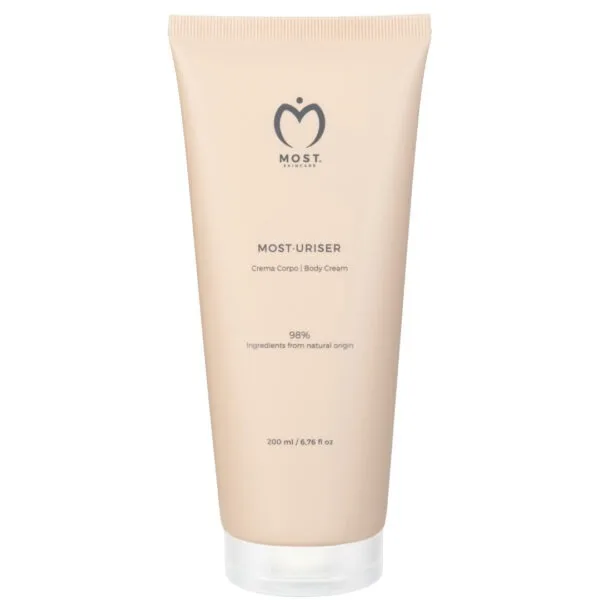
- Apply Mosturiser to restore hydration, improve skin elasticity and promote regeneration of the skin barrier.
FAQ
The duration of solar erythema depends on the intensity of exposure and the person’s skin type. Generally, mild sunburn lasts 2–3 days, while in more severe cases it can persist for up to 5–7 days, with possible peeling in the following days. If blisters or severe pain appear, healing may take longer.
To relieve itching, it is important to calm inflammation and rehydrate the skin. It is advisable to avoid exposure to the sun, avoid hot water and apply soothing and moisturising products. The use of Soothing Cream helps to reduce itching and burning, while, during the flaking phase, Mosturiser helps to restore the skin barrier and reduce the feeling of tight skin.
If you have solar erythema, it is important to avoid:
- further exposure to the sun
- taking hot showers or baths
- using harsh or perfumed cleansers
- scratching or rubbing the skin
- applying alcohol-based or exfoliating products
These behaviours can aggravate inflammation and slow down healing.
Recommended products:


Further insights

