


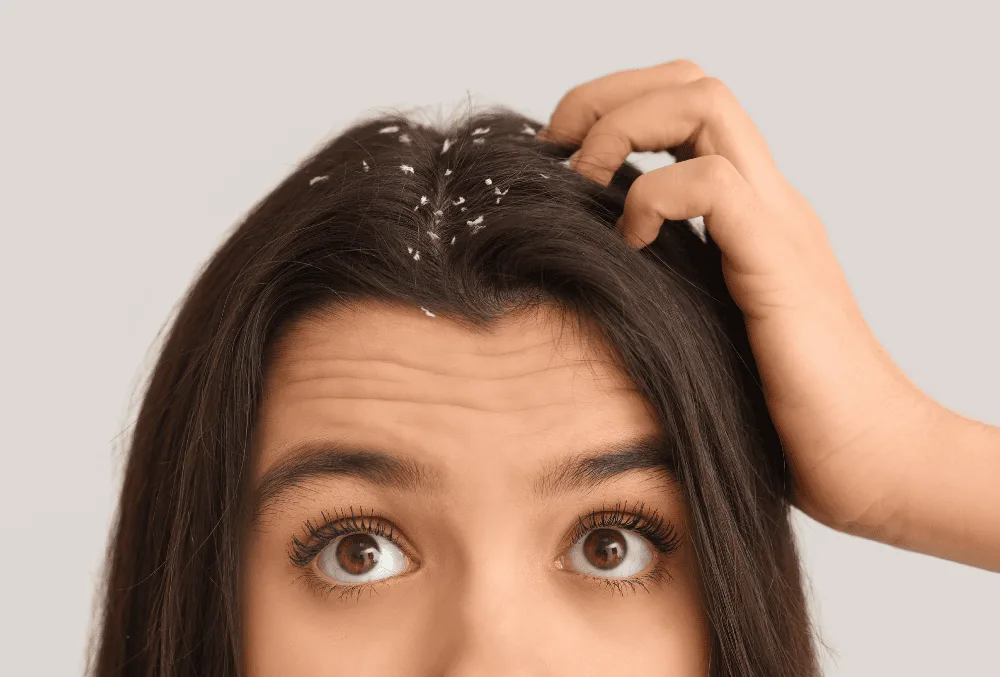
How to keep your scalp balanced and prevent annoying flakes from appearing.
What is dandruff (and what happens to the scalp)
Dandruff, or scalp pityriasis, is a very common condition characterized by visible flaking of the skin in the form of small whitish flakes.
Under normal conditions, the skin on the scalp is constantly renewing itself, but in an invisible way: when this process accelerates, dead cells aggregate and become visible.
In addition to being unsightly, dandruff can cause itching, irritation, and dryness, making the scalp more fragile and reactive.
Although it is not a serious or contagious condition, it is often a sign of skin imbalance: an altered hydrolipidic film, excessive sebum production, or an inflammatory reaction.
The most common causes
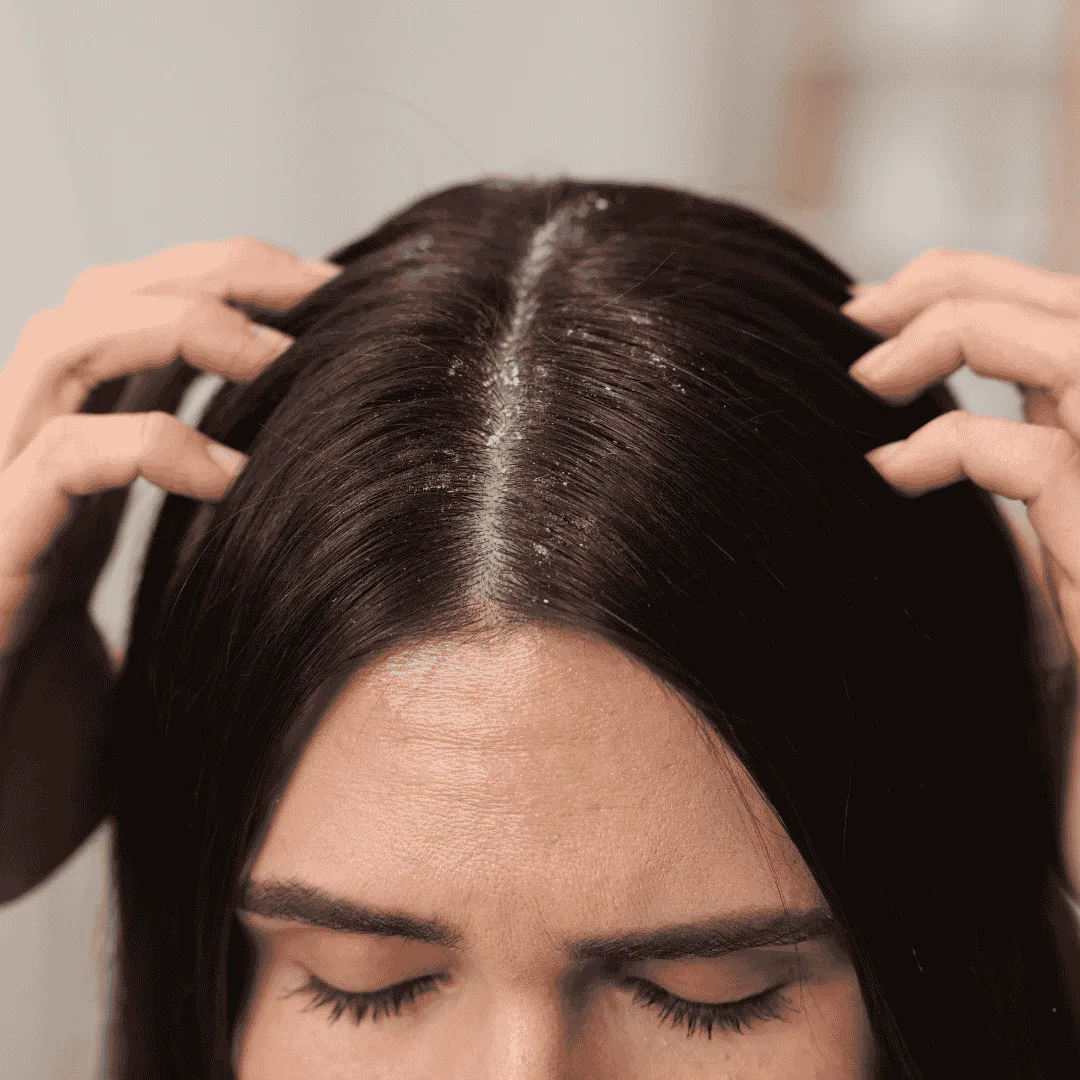
Dandruff can have many causes, and often several factors contribute to its development:
- Malassezia furfur, a microorganism naturally present on the skin, which, when present in excess, irritates and accelerates flaking.
- Stress and fatigue, which alter normal skin rhythms and worsen inflammation.
- Products that are too aggressive, with strong surfactants or intense fragrances that irritate the skin.
- Climate and environmental dryness, which dehydrate the scalp.
- Oily or dry skin, both of which are predisposing conditions: the former because it promotes the proliferation of the fungus, the latter because it weakens the natural barrier.
Dry dandruff or oily dandruff?
There are two main types of dandruff, which differ in appearance and symptoms:
- Dry dandruff: fine, dry white flakes that fall off easily. The scalp is dry and sensitive.
- Oily dandruff: thicker, yellowish flakes that stick to the skin, often associated with seborrheic dermatitis or excess sebum.
Recognizing the type is important in order to choose the most suitable treatment, but in both cases, the first step is always gentleness.
Preventing dandruff: good habits and gentle gestures
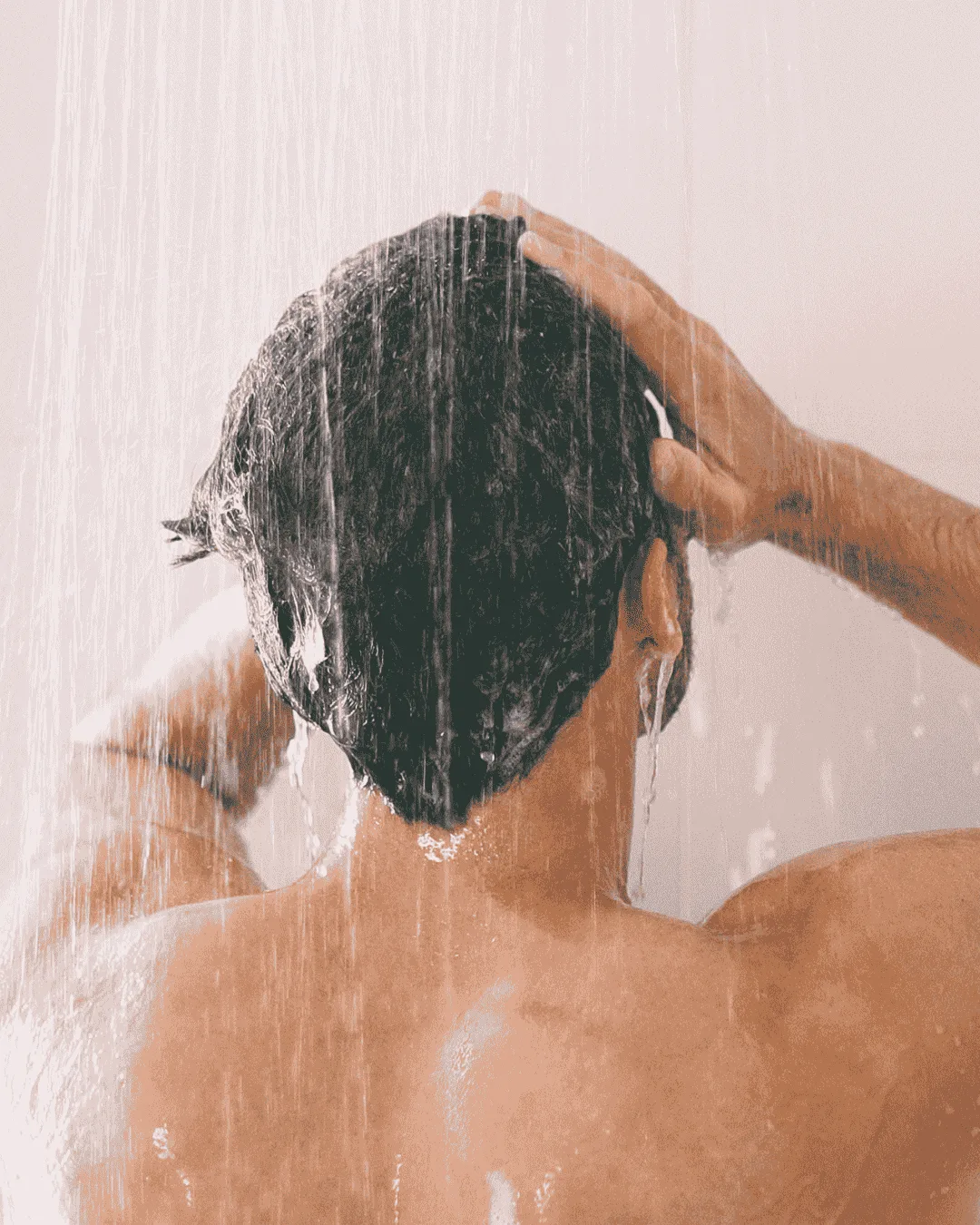
Prevention involves a daily routine that respects the skin. Here are some simple rules that help reduce the risk of onset or recurrence:
- Choose a delicate shampoo with low concentrations of plant-based surfactants.
- Avoid massaging your scalp, so as not to irritate the skin.
- Avoid washing your hair frequently, especially with aggressive shampoos or strong fragrances.
- Dry your hair carefully, preferably with cotton towels and moderate heat.
- Reduce stress, which can affect sebum production and inflammatory response.
- Moderate exposure to the sun can help: UV rays help regulate the skin’s microflora.
Friendly advice
Consistency in your routine is more important than occasional treatment: the skin needs time to regain its natural balance.
The delicacy that helps prevent
Healthy, balanced skin is the best defense against dandruff.
For this reason, choosing a gentle shampoo is essential not only for treatment but also for prevention.
MOST Skincare’s Gentle Shampoo is formulated with low-concentration plant-based surfactants that cleanse without damaging the scalp’s natural hydrolipidic film.
Its gentle, scalp-friendly formula helps keep the skin balanced even with frequent washing.
The emollient active ingredients help improve the softness and shine of the hair, preventing dryness and fragility: an ideal choice for those looking for effective but gentle cleansing, perfect even for sensitive skin.
✨ In brief
Dandruff can be prevented — with balance, consistency, and gentleness.
And it all starts with a simple gesture: a shampoo that respects your skin.
