


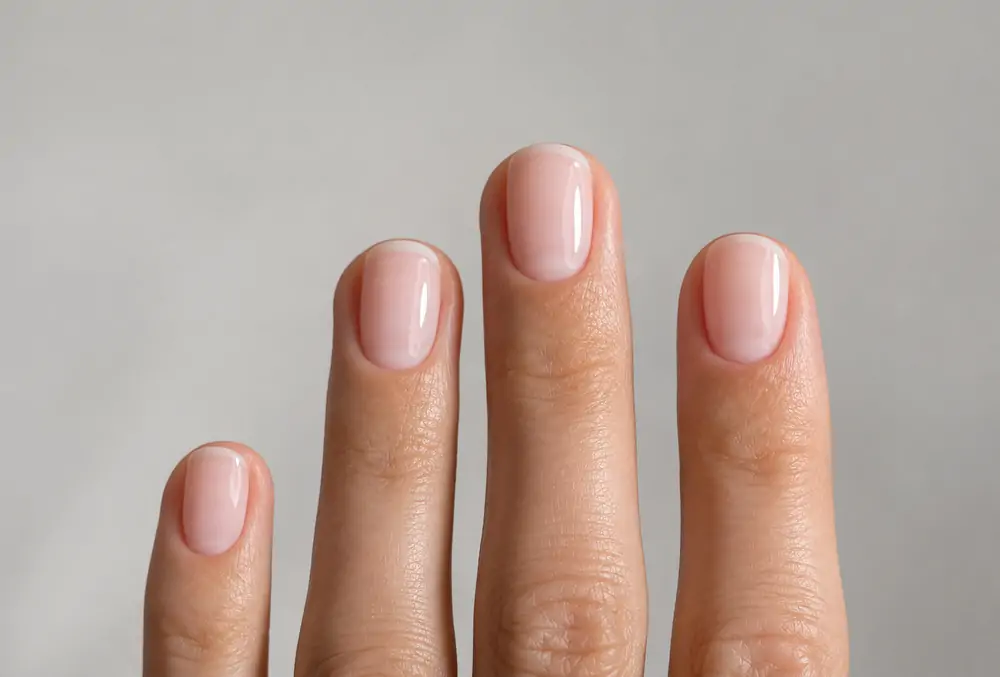
Nails damaged by semi-permanent and gel polish: what really happens?
Once the semi-permanent polish has been removed, does the nail look thin, dull, whitish or flaky? It’s quite a common situation, especially after repeated applications of semi-permanent nail polish, gel or artificial nails.
The problem does not necessarily stem from a single product, but from the entire process to which the nail plate is subjected: nail preparation, filing, application of the product, solvents and subsequent removal.
When these steps are repeated frequently or carried out too vigorously, the nail may gradually lose its strength and become more brittle.
What happens to the nail when you use semi-permanent and gel polish?
The nail plate is made up of compact layers of keratin. To improve the adhesion of gel and semi-permanent polish, the surface is prepared and may be made rougher.
One of the most delicate stages is removal: scraping, lifting or tearing the product away can remove even the outermost layers of the nail. Even excessive filing or aggressive use of the drill can gradually thin the nail.
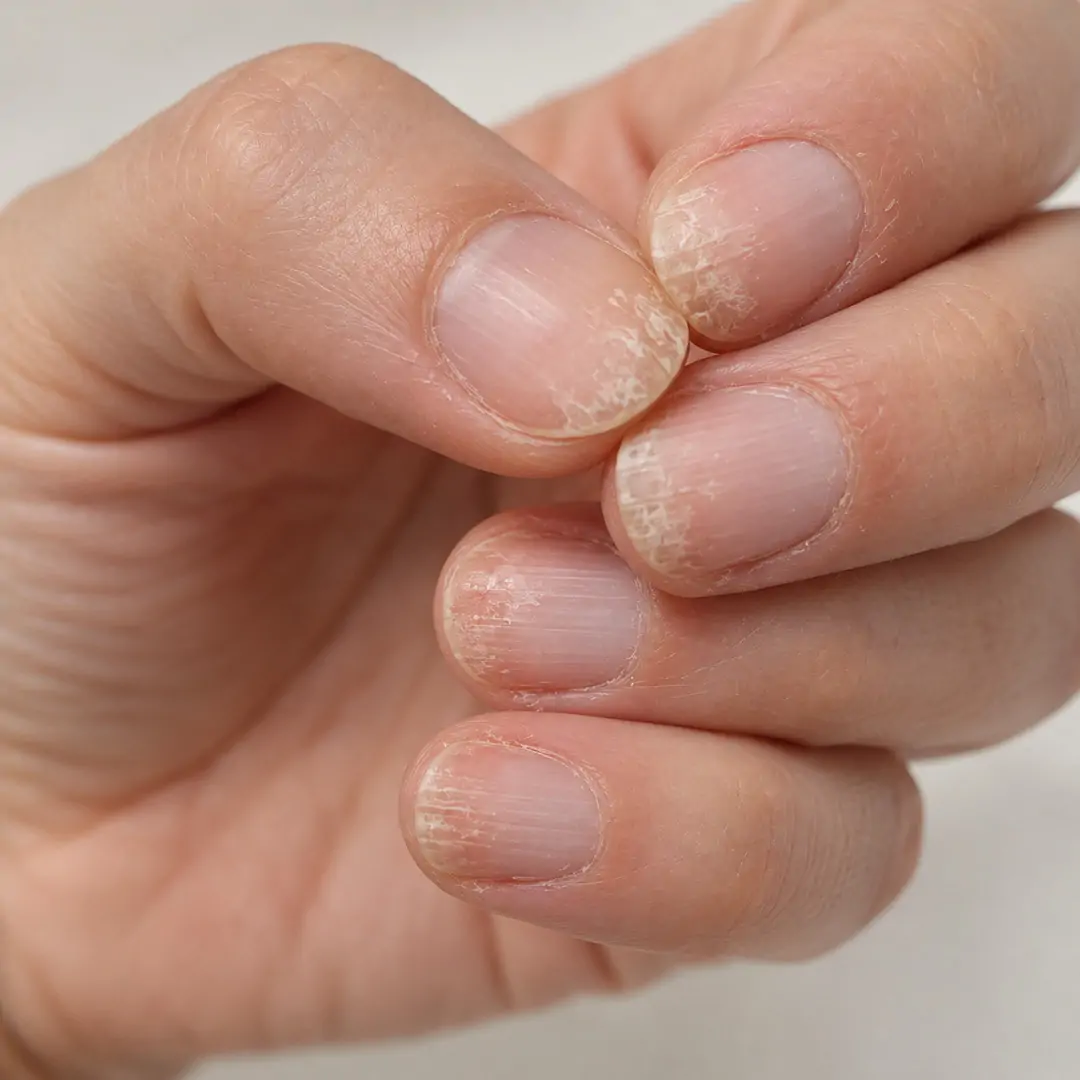
Once the product has been removed, the nail plate may appear thinner, more brittle and duller, and may show whitish patches, unevenness, flaking or, in some cases, partial lifting from the nail bed.
The damaged part does not return to normal straight away: it has to grow and be gradually replaced by a new layer.
Do nails need to ‘breathe’?
No. Nails do not ‘breathe’: the nail plate is mainly made up of keratin and does not need to receive oxygen from the outside.
However, the break between treatments serves another purpose: to prevent further mechanical and chemical stress whilst the nail grows back.
If the nail plate is already thin, brittle or flaking, applying a new semi-permanent polish straight away means subjecting it once again to preparation, filing and subsequent removal.
Quanto tempo serve perché l’unghia torni normale?
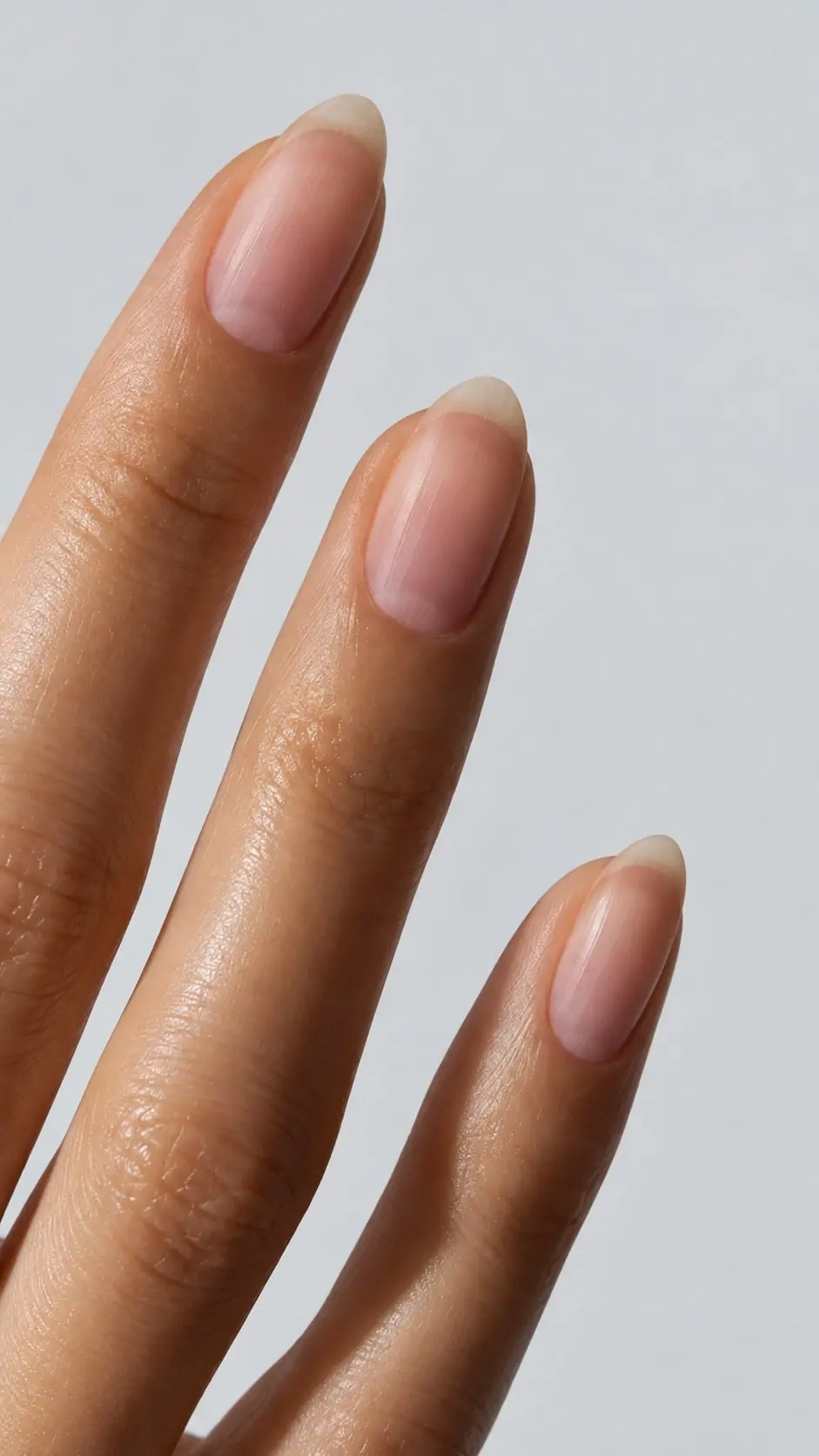
It takes time, because recovery depends on the growth of the new lamina.
Fingernails generally take a few months to grow back completely. Toenails, on the other hand, grow much more slowly and can take 12–18 months, with the big toe taking particularly long.
Il miglioramento si osserva progressivamente dalla base: la nuova unghia cresce mentre la parte danneggiata viene spostata verso l’estremità.
What should you do after removing gel or semi-permanent nail polish?
When a nail appears brittle or thin, it is important to minimise further damage and allow it time to regrow.
It is best to temporarily stop using gel, semi-permanent polish and nail extensions, as this avoids constantly buffing the surface to make it smoother. Furthermore, any product residue should not be torn off, nor should cuticles be removed aggressively.
Water, detergents and manual work can also put further strain on your hands: wherever possible, it is a good idea to protect your hands and keep your nails short.
How can we promote the renewal of the lamina?
During the regrowth period, the aim is to support the natural renewal of the nail plate, whilst the damaged part is gradually replaced.
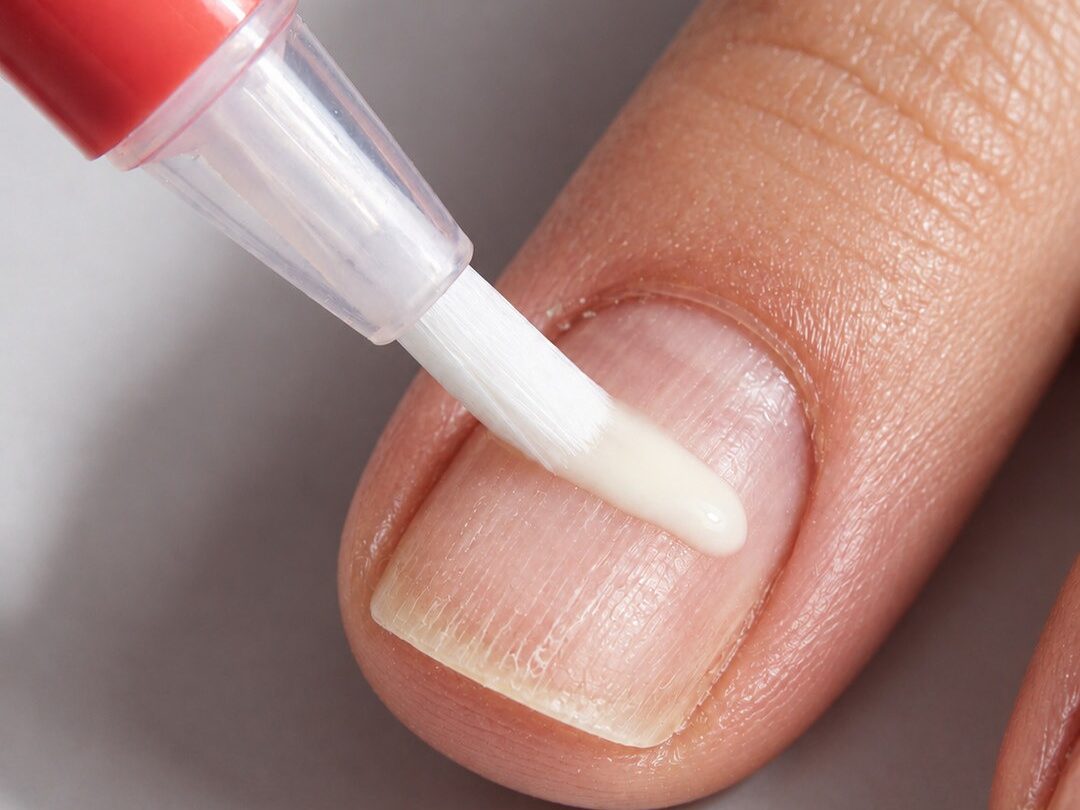
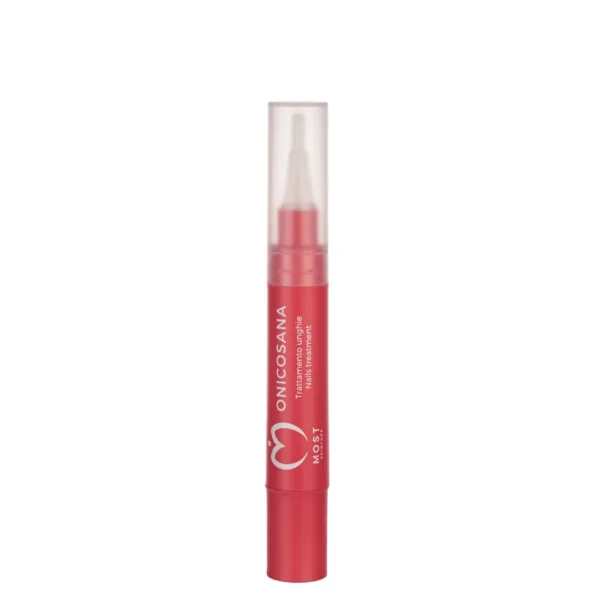
Onicosana is formulated with sulphur and salicylic acid, which promote the renewal of the nail plate, combined with panthenol and sericin, which help to keep it supple and strong.
Apply it every evening directly to the nail using the brush provided and leave it to dry.
Consistency is important because improvement follows the nail’s natural growth rate: slow and gradual.
Fewer treatments, more time
When your nails appear brittle after a gel or semi-permanent manicure, constantly applying new products or treatments is not necessarily the solution.
Sometimes the most effective approach is also the simplest: reducing stress on the blade, protecting it and allowing it the time it needs to recover.
So a simple principle applies to nails too: respecting the body’s natural rhythms often means doing less, but doing it better.
What if you don’t want to give up semi-permanent colour?
There is no need to demonise gel and semi-permanent nail polish. However, it is important to check the condition of the nail and pay particular attention, especially during the removal process.
It is best to avoid filing too deeply, not to remove the product when it starts to lift, and not to apply excessive pressure with drills or other tools on the natural nail plate.
If your nail is already thin, flaking or brittle, taking a break will, above all, help to prevent a new cycle of stress whilst it is growing back.
Itching and swelling after a semi-permanent treatment? That’s another issue
Brittleness and flaking after removal should not be confused with the onset of itching, redness or swelling around the nails during or after application.
Gels and semi-permanent products contain substances from the acrylate family which, in some people, can cause an allergic contact reaction.