Cleansing is the process by which, with the help of water and a cleanser (or soap), oily dirt, glandular secretions, shedding skin cells, and excess bacteria are removed from the skin.
Today, cleansing is commonly performed using a liquid or solid cleanser containing surfactants that produce foam. The most commonly used among these surfactants is Sodium Lauryl Sulfate (SLS), which is found in many cleansers and shampoos.
The Problems with Sodium Lauryl Sulfate
Cleansers and Skin
Sodium Lauryl Sulfate and many other similar foaming surfactants cause the following issues:
- They are irritating to the skin and tend to dry it out, causing itching.
- They produce a lot of foam, which requires a large amount of water for rinsing, leading to excessive water consumption.
- They have an affinity for the skin, so even after rinsing, they remain bound to the stratum corneum, increasing their irritating and itch-inducing effects.
- Some are poorly biodegradable and contribute to water pollution.
Avoid frequent washing and foaming cleansers.
Cleansing and Dry Skin
Dry skin, often accompanied by flaking and itching caused by washing, is very common today and is mainly due to two key factors:
- Frequent washing
- The use of foaming cleansers
Frequent washing has become almost a necessity in modern life, while foaming cleansers can be replaced.
The MOST project for cleansing
MOST has developed a product for daily cleansing and makeup removal based on new surfactants that do not produce foam, are easily and completely rinsed off without leaving residues on the skin, and do not strip away the skin’s natural lipids.
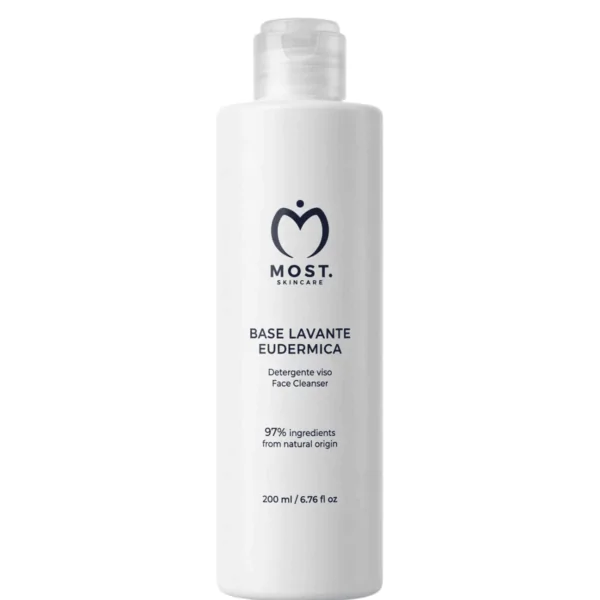
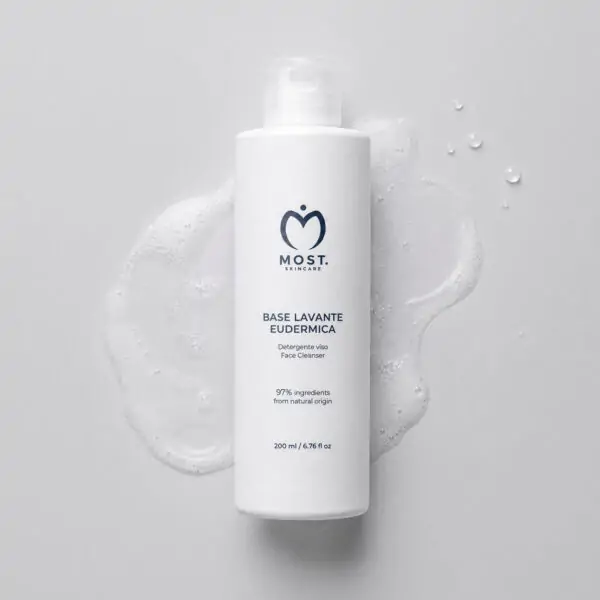
MOST Eudermic Cleansing Base
MOST Eudermic Cleansing Base is a non-foaming, non-delipidizing cleanser suitable for daily use, for children, for intimate hygiene, and for individuals with active dermatitis or simply dry skin.