


What is skin rash as an effect of biological therapy?
In recent years, numerous pharmaceuticals have been produced that can block certain cell receptors. The most widely used, currently marketed targeted therapy pharmaceuticals are: Cetuximab (Erbitux), Panitumumab (Vectibix), Gefitinib (Iressa), Erlotinib (Tarceva), Trastuzumab (Herceptin), Lapatinib (Tyverb). While producing positive results in cancer treatment, these pharmaceuticals can cause unwanted side effects including skin reactions. A common reaction to targeted therapy is the appearance of inflammatory papules or pustules at hair follicles, especially in areas rich in sebaceous glands such as on the face and upper trunk. Papulopustular outbreaks or follicular rashes in response to treatment are ranked into four grades according to their intensity, which can vary. At the highest grade, the reactions can be very serious, causing plaques, crustiness, pain, and burning.
How to treat skin reactions to targeted therapy
- Grade 1 and 2 folliculitis usually do not require specific treatment, just avoid irritation from washing by using Potassium Permanganate solution for skin cleansing and then applying Soothing Cream.
- For the treatment of grade 3 and 4 folliculitis, we recommend using 2S Cream in a small quantity, with a lot of massage, once a day, in the evening.

MAKE-UP
It is possible to apply makeup using Argillina Skin Color, the breathable and covering mineral foundation free of water, emulsifiers, preservatives, dyes, and fragrances, and Argillina Sole, the compact mineral powder.
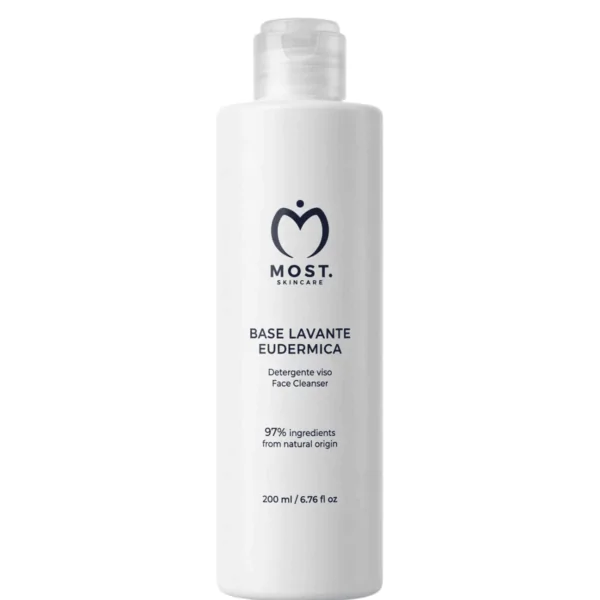
As a makeup remover, given that the skin is particularly dry, it is recommended to use the Eudermic Cleansing Base.
Recommended products:


ARGILLINA SKIN COLOR


SUN CLAY
Further insights


