Eyelid dermatitis: Symptoms, causes and treatment
Eyelid dermatitis or eyelid eczema is an inflammatory reaction that occurs suddenly and manifests itself through the following symptoms:
- redness and cracking of the eyelid
- itching
- wrinkling and flaking of both the upper (more common) and lower eyelids
It develops in individuals who suffer from atopic dermatitis, atopic conjunctivitis or who are otherwise atopic. As this disorder is a skin dermatitis, it does not require consultation with an ophthalmologist.
What causes atopic dermatitis?
The cause of Atopic Dermatitis is a strong genetic predisposition due to family history combined with multiple contributing factors that can worsen the symptoms (change of season, lack of exposure to the sun, excessive washing, contact with certain substances, fatigue, stress).
- Allergic dermatitis, which can be caused by a chemical reaction that a person may have when they come into contact with a certain substance. The symptoms that occur in the case of an allergy around the eyes are mainly itching, swelling and redness.
- Blepharitis, a common inflammation of the eyelid that can be caused by various factors, such as bacterial infections or previous cases of seborrheic dermatitis. Symptoms include excessive tearing, swelling of the eyelid margins, itching, burning, dryness and, in some cases, the appearance of scabs on the eyelashes.


Eyelid dermatitis, what are the causes?
Eyelid dermatitis is an inflammatory condition that can be caused by several factors. The main triggers include:
- Frequent contact with water and cleansers
Repeated contact with water, soaps, cleansing milk, make-up removers, micellar water and shampoo can alter the skin barrier of the eyelids, making them more vulnerable to irritation.
- Product residue on the eyelid crease
Moisture from water combined with traces of detergents or shampoo tends to accumulate in the eyelid crease, initially causing localised irritation and subsequently inflammation of the entire eyelid.
- Repeated use of eye contour cosmetics
Frequent application of creams, serums, eye shadows, mascara, pencils and eyeliners can cause irritation, especially in the case of sensitive or already compromised skin.
- Seasonal changes
Climate variations, particularly between cold and hot, can weaken the skin barrier and facilitate the onset of eyelid dermatitis.
- Psychophysical stress
Stress can negatively affect the skin’s balance, contributing to the onset or worsening of symptoms.
How do you treat Eyelid Dermatitis?
As soon as it appears, washing must be stopped immediately. Avoid contact between the eyelids and soap, detergent, shampoo or other cosmetic products.
The aim is to allow the eyelids to dry completely, thereby initiating desquamation and cell renewal. In this way, the dermatitis heals spontaneously, usually within 15-20 days.
What cream should be applied to irritated eyelids?
In case of eyelid itching and swelling, Soothing Cream can be applied to relieve the symptoms. It should preferably be applied in the evening, using a small amount of product and massaging it in thoroughly.
What cream should be applied to dry eyelids?
As the eyelids often do not tolerate moisturising creams well, as they contain surfactants that can be irritating, it is preferable not to apply anything or, at most, to use a small amount of Extreme Emollient Ointment in the evening, whose ointment formulation, free of water and surfactants, is generally better tolerated.
How can Eyelid Dermatitis be prevented?
Eyelid dermatitis tends to recur and flare up, especially in predisposed individuals. To reduce the risk of onset and recurrence, it is important to adopt certain good daily habits:
- Cleanse your face with gentle products
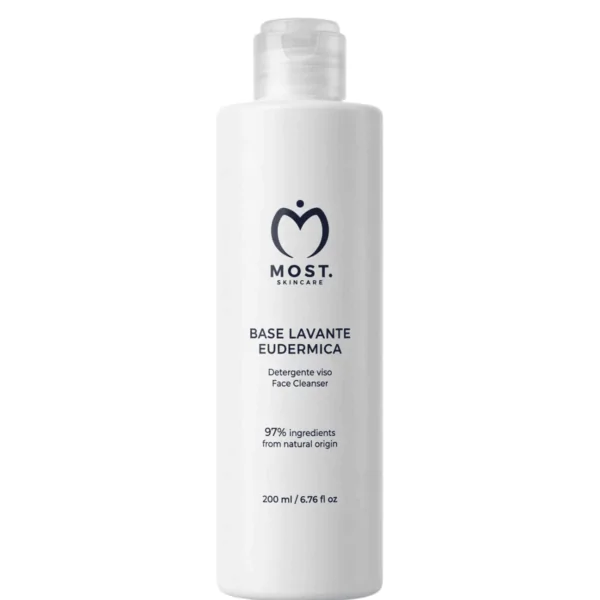
Avoid harsh cleansers that can alter the skin barrier. It is preferable to use a gentle, non-foaming, lauryl sulphate-free Eudermic Cleansing Base, both for cleansing the face and removing make-up. - Remove make-up with particular attention to the eye area
Remove make-up gently, without rubbing, so as not to further irritate the thin skin of the eyelids. - Dry your eyelids thoroughly after washing
After each cleansing, it is essential to carefully pat your eyelids dry to remove any moisture residue, which can cause irritation and inflammation.