What are damaged fingernails?
A healthy nail is smooth, transparent and adherent to the nail bed. The damaged nail, on the other hand, is extremely opaque, thickened, unlaminated and detached from the nail bed, creating, among other things, considerable aesthetic discomfort. These conditions are frequent as the toe nails can be subject to various alterations:
- Trauma
- Poor blood circulation
- Fungal infection
- Inflammatory diseases
- Beauty treatments
What are the causes of damaged fingernails?
Nails get damaged as a result of various factors, the main causes include:
Damaged nails following beauty treatments
Gel reconstruction is a common cause of nail damage today. Following the gel removal process, the nail is often opaque and brittle.
Damaged nails from inflammatory diseases
The most common disease affecting the nail is psoriasis, which causes the dystrophy and fragmentation of the nail lamina. Psoriasis causes the nail to appear dull yellow and thick, but it can also cause the nail to crumble or detach completely.
Damaged nails from fungal infections
While fungal nail infections are rare, they cause the digestion of the nail plate.

How to treat damaged nails
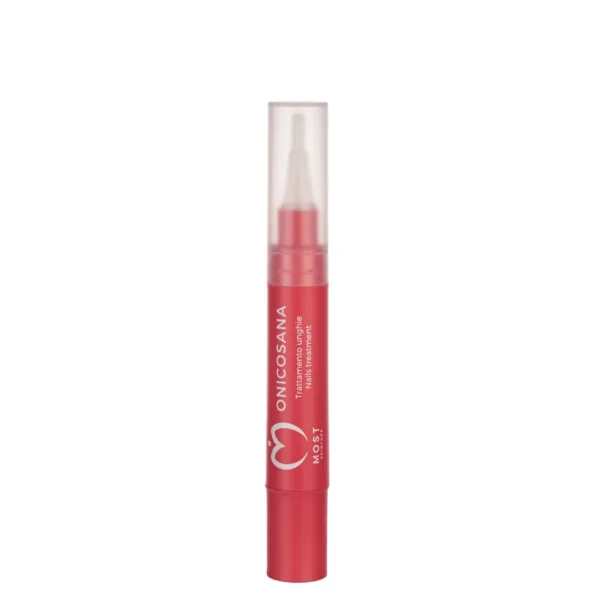
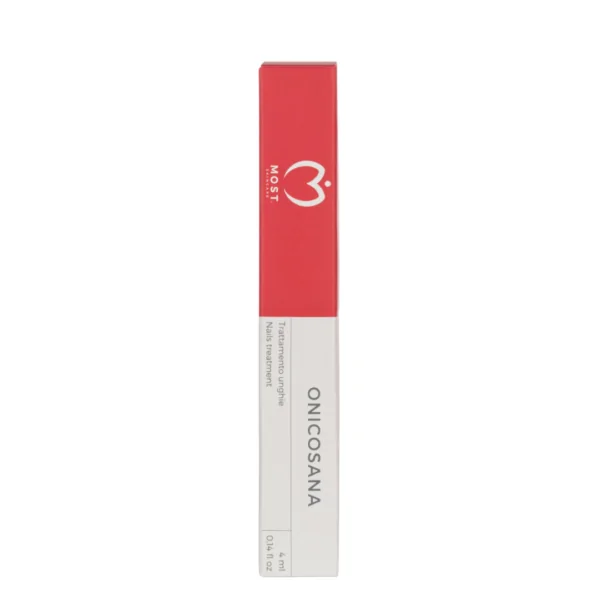
Apply Onicosana once a day, preferably in the evening, directly to the nail using the brush provided.
This cream, containing Sulfur and Salicylic Acid, helps restore damaged nails, prevents fungal infections, and reorganizes the nail layers to promote normal regrowth.
Treatment should be continued consistently until visible improvement is achieved.

To be avoided
- Extreme manicures and pedicures to respect the cuticles that protect the nail
- Avoid using nail varnish continuously, by giving the nails a break between applications
- Continuous nail reconstruction

Do ruined nails indicate vitamin deficiency?
Nails are made up of keratin with sulfur bridges.
There are scientific studies that do not link vitamin deficiencies to nails. It has been shown that subjects in vitamin deficiency do not have nail fragility but other health problems. Furthermore, there is no correlation with a calcium deficiency either.