What is dyshidrotic eczema on the feet?
Dyshidrosis of the feet, also known as dyshidrotic eczema, is a reactive or inflammatory dermatitis of the skin on the soles of the feet.
The term “dyshidrosis” and its location on the soles of the feet suggest a sweating disorder. However, sweating is not the cause of dyshidrosis.
How does dyshidrosis of the feet manifest itself?
Dyshidrosis of the feet manifests itself on the soles of the feet. It is characterised by blisters under the skin that are usually very itchy. Pustules or fluid-filled blisters may also form, causing considerable discomfort.
It is often seasonal, worsening or reappearing in spring and autumn.


What are the causes of dyshidrotic eczema?
Dyshidrotic eczema is usually a reactive disorder whereby many white blood cells (leukocytes) migrate from the blood into the skin. These cells, once present in the skin, form dyshidrosic vesicles, dyshidrosic bullae, or dyshidrosic pustules.
Foot dyshidrosis is considered to be in the family of Psoriasis or atopic dermatitis. These skin diseases are of the type self-inflammatory, chronic relapsing course i.e. if a person is predisposed he will have this disorder several times during his life.
As with psoriasis or atopic dermatitis, there is no one definite cause of dyshidrotic eczema,
but some common triggers include:
- stress
- seasonal changes
- contact with irritants
- secondary infections from the streptococcal bacterial family
- secondary infections from the dermatophyte bacterial family
What to do in case of dyshidrotic eczema on the feet?
In the case of Plantar Dyshidrosis, it is important to consult a dermatologist, as it is often mistaken for a form of Hypersweatness, whereas if it is a form of Psoriasis or Atopic Dermatitis, the same remedies, i.e. reducing agents, must be used.
As a cosmetic adjuvant for the treatment and cure of skin manifestations related to Plantar Dyshidrosis, such as redness and itching, we recommend:
- In the evening, apply 2S Cream, massaging gently until completely absorbed, as sulfur and salicylic acid have a normalizing and anti-inflammatory action, helping to reduce irritation, scaling and skin reactivity. In the presence of dyshidrosis accompanied by intense itching, it is preferable to replace 2S Cream with Dermictiol Cream with Ichthyol Sulfonate, indicated for its marked soothing and anti-itching action.
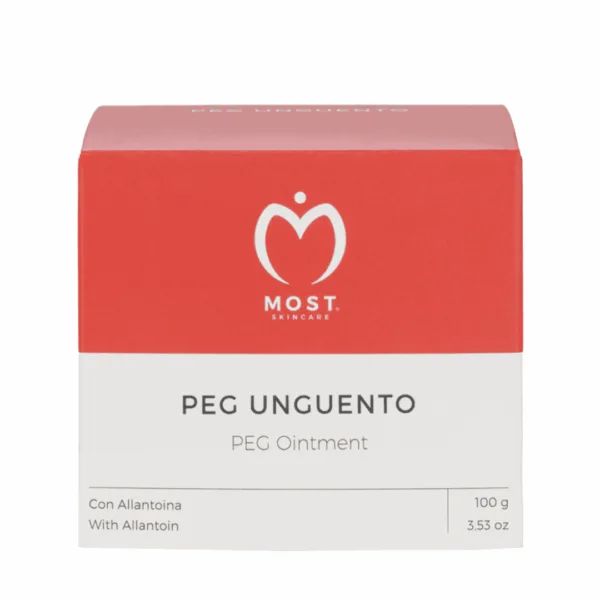
- In the evening, apply 2S Cream, massaging gently until completely absorbed, as the In the morning, apply PEG Ointment, again by gentle massage, as it creates a protective barrier on the skin that helps defend the skin from irritative stimuli during the day, while promoting natural skin repair processes.
Sometimes Dyshidrosis is associated with the presence of Dermatophytes (fungi) between the toes, this disorder is commonly called Athlete’s Foot. To cure dyshidrosis, the infection must first be eradicated. Again, it is useful to apply in the evening 2S Cream between the toes to soothe the symptoms of infection. In some cases, getting rid of athlete’s foot is enough to also get rid of dyshidrotic eczema.


CLEANSING
To keep the affected area clean, dry wash with potassium permanganate solution.
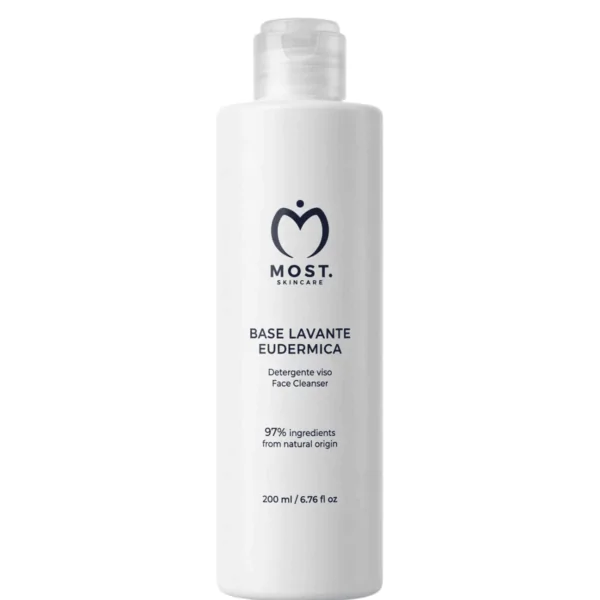
When the eczema has regressed, wash with the mild, non-foaming Eudermic Cleansing Base.

TO AVOID
To avoid irritating the skin during an eruption of dyshidrotic eczema, feet should not be wet or washed. Water and contact with soaps can be stressors which aggravate symptoms.
FAQ
Dyshidrosis is not a dangerous or contagious condition. While it is an annoying condition, if treated properly it tends to progressively regress.
The duration of foot dyshidrosis varies from person to person and depends largely on adherence to treatment. In particular, adherence to treatment indications, especially discontinuation of prolonged washing and dampness, has a major influence on healing time.
Resolution may take longer in individuals who have had prolonged use of topical corticosteroids, as the skin may be temporarily thinned, more fragile and less responsive to normal skin repair processes.
The protocol proposed by Most Skincare is based on formulations with ingredients of natural origin, free of pharmacological principles, designed to support the natural processes of skin repair and the rebalancing of the skin barrier.
Recommended products: